This is the seventh edition of the AMJ Counselling newsletter ͏ ͏ ͏ ͏ ͏ ͏ ͏ ͏ ͏ ͏ ͏ ͏ ͏ ͏ ͏ ͏ ͏ ͏ ͏ ͏ ͏ ͏ ͏ ͏ ͏ ͏ ͏ ͏ ͏ ͏ ͏ ͏ ͏ ͏ ͏ ͏ ͏ ͏ ͏ ͏ ͏ ͏ ͏ ͏ ͏ ͏ ͏ ͏ ͏ ͏ ͏ ͏ ͏ ͏ ͏ ͏ ͏ ͏ ͏ ͏ ͏ ͏ ͏ ͏ ͏ ͏ ͏ ͏ ͏ ͏ ͏ ͏ ͏ ͏ ͏ ͏ ͏ ͏ ͏ ͏ ͏ ͏ ͏ ͏ ͏ ͏ ͏ ͏ ͏ ͏ ͏ ͏ ͏ ͏ ͏ ͏ ͏ ͏ ͏ ͏ ͏ ͏ ͏ ͏ ͏ ͏ ͏ ͏ ͏ ͏ ͏ ͏ ͏ ͏ ͏ ͏ ͏ ͏ ͏ ͏ ͏ ͏ ͏ ͏ ͏ ͏ ͏ ͏ ͏ ͏ ͏ ͏ ͏ ͏ ͏ ͏ ͏ ͏ ͏ ͏ ͏ ͏ ͏ ͏ ͏ ͏ ͏ ͏ ͏ ͏ ͏ ͏ ͏ ͏ ͏ ͏ ͏ ͏ ͏ ͏ ͏ ͏ ͏ ͏ ͏ ͏ ͏ ͏ ͏ ͏ ͏ ͏ ͏ ͏ ͏ ͏ ͏ ͏ ͏ ͏ ͏ ͏ ͏ ͏ ͏ ͏ ͏ ͏ ͏ ͏ ͏ ͏ ͏ ͏ ͏ ͏ ͏ ͏ ͏ ͏ ͏ ͏ ͏ ͏ ͏ ͏ ͏ ͏ ͏ ͏ ͏ ͏ ͏ ͏ ͏ ͏ ͏ ͏ ͏ ͏ ͏ ͏ ͏ ͏ ͏ ͏ ͏ ͏ ͏ ͏ ͏ ͏ ͏ ͏ ͏ ͏ ͏ ͏ ͏ ͏ ͏ ͏ ͏ ͏ ͏ ͏ ͏ ͏ ͏ ͏ ͏ ͏ ͏ ͏ ͏
AMJ Counselling
 

This is the seventh edition of my newsletter.

I know there are loads of newsletters, bulletins and other great resources available on mental health, so I am really grateful to you for taking the time to read this one. I hope you find it interesting and helpful. I hope it provokes some reflection and offers food for thought. 

In this edition of the newsletter, I reflect on sharing our feelings and how keeping quiet often feels easier/the right thing to do, but it invariably stores up trouble for the future. Sharing is caring - and sharing (when done sensitively) beats suppressing, especially when it comes to our feelings. 

As well as sharing some of my own ‘recent reflections’, I highlight:
• Articles and other resources
- sharing an article by Jancee Dunn from The New York Times, on the use of the ‘silent treatment’ in relationships, which can be seriously damaging. I also share a podcast and two book recommendations. 

• Featured blog post - with a continued focus on sharing our feelings, I have shared a previous post that reproduces the eulogy I delivered in December at my dad’s funeral. There are few times in which we share more of our feelings than when someone is ill, dying or dead. Perhaps we should think about sharing our feelings about them when time is on our side.

If you would like to find out more about me and my work, you can read some of my background, hear about my practice, and watch videos and listen to podcasts on my website by clicking on amjcounselling.com

Thanks again for taking the time to read this edition, for subscribing, and for sharing this newsletter with others. If you have a friend or colleague you think would enjoy reading this newsletter, please pass it on. I would also welcome any feedback on the newsletter so I can improve it. Thanks a million.

Take care,
Ben


This photo captures a snapshot of some of the ways I look after my mental health and my overall wellbeing.

Tea. The New York Times. My bag of notebooks and other resources. Amongst people, but not with people (a perfect balance for this introvert). In a calming but interesting environment (in the lovely Pocket Cafe in Liverpool) . Having some much-valued me-time whilst Dr J hits a few shops on a Sunday lunchtime. I’m listening to a podcast and using my iPad occasionally to check in on the news and the LFC team news for that day’s games. In these few minutes, on this table, I am ticking off many of my needs and reaching into my mental health jam jar:

https://www.amjcounselling.com/amj-blog/my-mental-health-jam-jar  


Recent reflections

Sharing is caring, especially when it comes to our feelings

In case you missed it, Liverpool won the league championship recently. We are firmly back on our perch. 

As I write this - sitting in Pocket Cafe in the centre of the city - preparations are underway for the victory parade at the weekend, in which close to a million people will take to the streets to celebrate this wonderful achievement. As someone who has lived and breathed Liverpool football club since my first match at Anfield on 7 March 1984, I know how emotional and important these moments will be for many people, from Liverpool and around the world. 

Just as there were when we clinched the title at home to Tottenham three weeks ago, there will be an outpouring of overwhelming emotion, including tears of joy, and tears of love, and tears of loss. 

Many of those, myself included, who shed tears when the league was won, and will do so again this weekend, will be thinking about those who are not here to enjoy the moment. Fellow reds. Loved family and friends. Fans we shared a row and a hug with during one goal, or one match, or one season, or more. People who were taken from us by Hillsborough, on the day and as a result of the day. People whose names we didn’t know but with whom we shared a connection and a bond. I think of those people, my dad included, who died in December last year with us top of league and riding high. I think of him - 71 years since he started going to Anfield - and all those no longer with us, when we win and I think of the joy it would have given them. 

I think too about how easily the feelings and emotions flow on these occasions and how “normal” (a word not loved by therapists!), it is for a man, woman or child to show raw, unfiltered emotion at a football match or watching a movie, or when listing to a piece of music or when watching something moving on TV, and yet we often find it harder to express similar levels of emotions when in conversations with those we love the most.

There is something un-inhibiting about being with others who are experiencing and expressing similar emotions to us - perhaps it is, in part, safety in numbers - that means we can cry openly in a public place surrounded by strangers - but cannot show that feeling with the people with whom we feel the safest. 

Of course, as with so many things in life, it’s complicated. We sometimes hold on to our feelings and try hard not to show them to those closest to us for fear of upsetting them or changing how they view us. It can be uncomfortable to be vulnerable to those for whom we want to be strong. or supportive. or in a role in which they look to us for guidance, security or stability. It is one of the most common things for clients to say to me when discussing their feelings, that they didn’t want to add to the worries that someone they care about already had: “they have enough on their plate”. And yet, this suppressing of our feelings can lead to us storing up trouble for the future. 

Like a game of whac-a-mole, just when you think everything is under control and the feelings are tightly pushed down and hidden from view, they pop up again. Normally when we least expect them, want them or welcome them. They can pop up again when it feels like there is nothing going on that would cause them - leaving us confused: “I’m not sure why I feel like this about this issue - it’s such a small thing”. The problem is that when we don’t express our feelings and try to bury them or put them in a box and hide them in the cupboard, under the stairs in our minds, they don’t stay there forever. They reappear, often in the very uncontrolled way we have sought to manage. 

What’s the answer?

Listening to our guts is a big part of it. Listening to our emotions. Listening to the feelings of stress and anxiety that accompany these experiences, and go with them. We don’t have to be at the match or watching a weepy movie, or The Piano on Channel 4 (it makes me cry every week!) to express our biggest, deepest feelings. We can show them at other times, especially when we feel them.  

Suppressing our feelings doesn’t remove them, process them, or deal with them: it just mutes them for a period. But only for a period. That volume level can change at any time and so the answer is to ideally find a safe, measured and thoughtful way of putting words to the feelings and sharing them. Sharing is caring.


Articles and other resources

If you follow me on social media (links below), you will see that I often share articles from the media that resonate with me and hopefully provide an opportunity for insights and reflection. 

If you would like to follow me on any of these platforms you will see my posts and the material I share.

My social media accounts

www.linkedin.com/in/benjaminjohnjones

https://www.instagram.com/benjaminjohnjones

https://bsky.app/profile/benjaminjohnjones.bsky.social

https://www.threads.net/@benjaminjohnjones

I am sharing an article by Jancee Dunn that I read recently in The New York Times - you can find the article and link to it below.

In the piece, Janice discusses the use of the ‘silent treatment’ in relationships, which can be seriously damaging. For me, the idea of the silent treatment, the cold shoulder and ‘tough love’ falls into a similar category of things that belong (if they ever belonged) in a previous era or generation and are not fit for purpose in 2025. I believe strongly that communicating how we feel - even when this may provoke a reaction or a conflict - is much healthier, and more honest, than hiding our feelings behind silence, which is a form of passive aggressive punishment.

https://www.nytimes.com/2025/04/04/well/silent-treatment-ruin-relationship.html?searchResultPosition=1


Podcast recommendation 

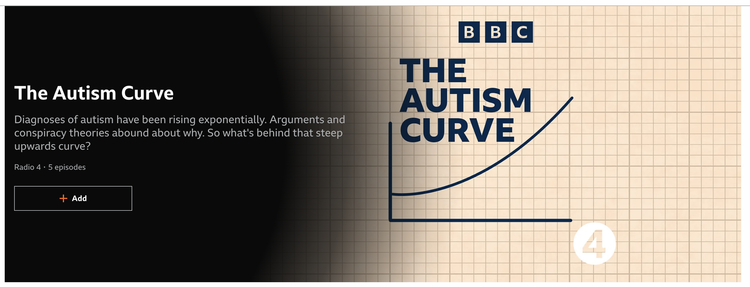
The Autism Curve 

This is an excellent BBC Radio 4 series on autism which looks at the huge increase in diagnosis and the reasons behind the rise. This is important, evidence-based research and analysis which tackles conspiracy theories and false narratives about over-diagnosis head on.

On behalf of so many of my clients, I plead with everyone to listen and reflect. 

https://www.bbc.co.uk/sounds/brand/m002bswl

Book recommendations

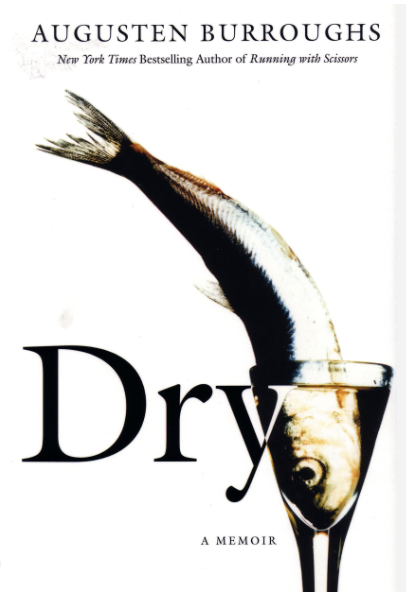
Two great books (one in paperback and one as an audiobook) which examine addiction. The paperback is ‘Dry’ by Augusteen Burroughs. The audiobook covers life-changing public health issues such as AIDS and COVID  and is titled ‘On Call’, by Dr Anthony Fauci. 

Augusteen’s book is a brutal examination of the messy path of recovery and is a must read for anyone working with addition/supporting someone in recovery. 

I consider Dr Fauci a truly great person and outstanding public servant, who has put duty and service (and saving lives) before his own position and safety. He is a hero and his book and perspectives are fascinating.

https://shorturl.at/BKCNE


Featured blog post

Mon, Dec 23

Eulogy for my dad

I delivered the eulogy at my dad’s funeral today. I have included the text below.

 Read More 
 

Booking a session or getting in touch to find out more about me and my work

I offer sessions face-to-face, online or by phone, with individuals and couples.

Sessions run for around 50 minutes and cost £55. I offer discounted rates of £40 per session for students.

I offer a free initial consultation session to talk through my approach, answer any questions and help clients to consider if they think we can work well together before we get started.

To get in touch, please call, message or email me:

07779 796 815

benjones@amjcounselling.com


Please click on the links below to read editions
of the AMJ Counselling newsletter

Edition #1 - 10 November 2024

Edition #2 - 27 November 2024

Edition #3 - 1 January 2025

Edition #4 - 31 January 2025

Edition #5 - 12 March 2025

Edition #6 - 6 April 2025

 
AMJ Counselling

AMJ Counselling, Southport, Merseyside, UK

Powered by Squarespace

Unsubscribe