This is the fifth edition of the AMJ Counselling newsletter͏‌ ͏‌ ͏‌ ͏‌ ͏‌ ͏‌ ͏‌ ͏‌ ͏‌ ͏‌ ͏‌ ͏‌ ͏‌ ͏‌ ͏‌ ͏‌ ͏‌ ͏‌ ͏‌ ͏‌ ͏‌ ͏‌ ͏‌ ͏‌ ͏‌ ͏‌ ͏‌ ͏‌ ͏‌ ͏‌ ͏‌ ͏‌ ͏‌ ͏‌ ͏‌ ͏‌ ͏‌ ͏‌ ͏‌ ͏‌ ͏‌ ͏‌ ͏‌ ͏‌ ͏‌ ͏‌ ͏‌ ͏‌ ͏‌ ͏‌ ͏‌ ͏‌ ͏‌ ͏‌ ͏‌ ͏‌ ͏‌ ͏‌ ͏‌ ͏‌ ͏‌ ͏‌ ͏‌ ͏‌ ͏‌ ͏‌ ͏‌ ͏‌ ͏‌ ͏‌ ͏‌ ͏‌ ͏‌ ͏‌ ͏‌ ͏‌ ͏‌ ͏‌ ͏‌ ͏‌ ͏‌ ͏‌ ͏‌ ͏‌ ͏‌ ͏‌ ͏‌ ͏‌ ͏‌ ͏‌ ͏‌ ͏‌ ͏‌ ͏‌ ͏‌ ͏‌ ͏‌ ͏‌ ͏‌ ͏‌ ͏‌ ͏‌ ͏‌ ͏‌ ͏‌ ͏‌ ͏‌ ͏‌ ͏‌ ͏‌ ͏‌ ͏‌ ͏‌ ͏‌ ͏‌ ͏‌ ͏‌ ͏‌ ͏‌ ͏‌ ͏‌ ͏‌ ͏‌ ͏‌ ͏‌ ͏‌ ͏‌ ͏‌ ͏‌ ͏‌ ͏‌ ͏‌ ͏‌ ͏‌ ͏‌ ͏‌ ͏‌ ͏‌ ͏‌ ͏‌ ͏‌ ͏‌ ͏‌ ͏‌ ͏‌ ͏‌ ͏‌ ͏‌ ͏‌ ͏‌ ͏‌ ͏‌ ͏‌ ͏‌ ͏‌ ͏‌ ͏‌ ͏‌ ͏‌ ͏‌ ͏‌ ͏‌ ͏‌ ͏‌ ͏‌ ͏‌ ͏‌ ͏‌ ͏‌ ͏‌ ͏‌ ͏‌ ͏‌ ͏‌ ͏‌ ͏‌ ͏‌ ͏‌ ͏‌ ͏‌ ͏‌ ͏‌ ͏‌ ͏‌ ͏‌ ͏‌ ͏‌ ͏‌ ͏‌ ͏‌ ͏‌ ͏‌ ͏‌ ͏‌ ͏‌ ͏‌ ͏‌ ͏‌ ͏‌ ͏‌ ͏‌ ͏‌ ͏‌ ͏‌ ͏‌ ͏‌ ͏‌ ͏‌ ͏‌ ͏‌ ͏‌ ͏‌ ͏‌ ͏‌ ͏‌ ͏‌ ͏‌ ͏‌ ͏‌ ͏‌ ͏‌ ͏‌ ͏‌ ͏‌ ͏‌ ͏‌ ͏‌ ͏‌ ͏‌ ͏‌ ͏‌ ͏‌ ͏‌ ͏‌ ͏‌ ͏‌ ͏‌ ͏‌ ͏‌ ͏‌ ͏‌ ͏‌ ͏‌ ͏‌ ͏‌ ͏‌ ͏‌ ͏‌ ͏‌ ͏‌ ͏‌ ͏‌ ͏‌ ͏‌ ͏‌ 
AMJ Counselling
 

This is the fifth edition of my regular newsletter, which I launched towards the end of 2024. 

I know there are loads of newsletters, bulletins and other great resources available on mental health, so I am really grateful to you for taking the time to read this one. I hope you find it interesting and helpful. I hope it provokes some reflection and offers food for thought. 

In this edition of the newsletter I focus on eating disorders with:

• Recent reflections - on the recent run of awareness-raising weeks/initiatives and how we move from raising awareness on eating disorders to taking action. 

• Articles and other resources - I share some links and signpost other information on eating disorders aimed to help those who may be experiencing an eating disorder(s) or are close to someone who is struggling. I also share a podcast and book recommendation. 

• Featured blog post - with Eating Disorder Awareness Week having just passed, I am sharing a blog post about my work with clients and eating disorders, and my frustration about how often people are lectured and then let down by the “support” they are offered. To offer genuine support we must offer hope and focus on feelings and not food. The post is entitled ‘Eating disorders: listening, not lecturing, is the key to recovery. We must stop the failing copy and paste approach and instead have hope’.

If you would like to find out more about me and my work, you can read some of my background, hear about my practice, and watch videos and listen to podcasts on my website by clicking on amjcounselling.com

Thanks again for taking the time to read this edition, for subscribing, and for sharing this newsletter with others. 

If you have a friend or colleague you think would enjoy reading this newsletter, please pass it on. I would also welcome any feedback on the newsletter so I can improve it. Thanks a million.

Take care,
Ben 


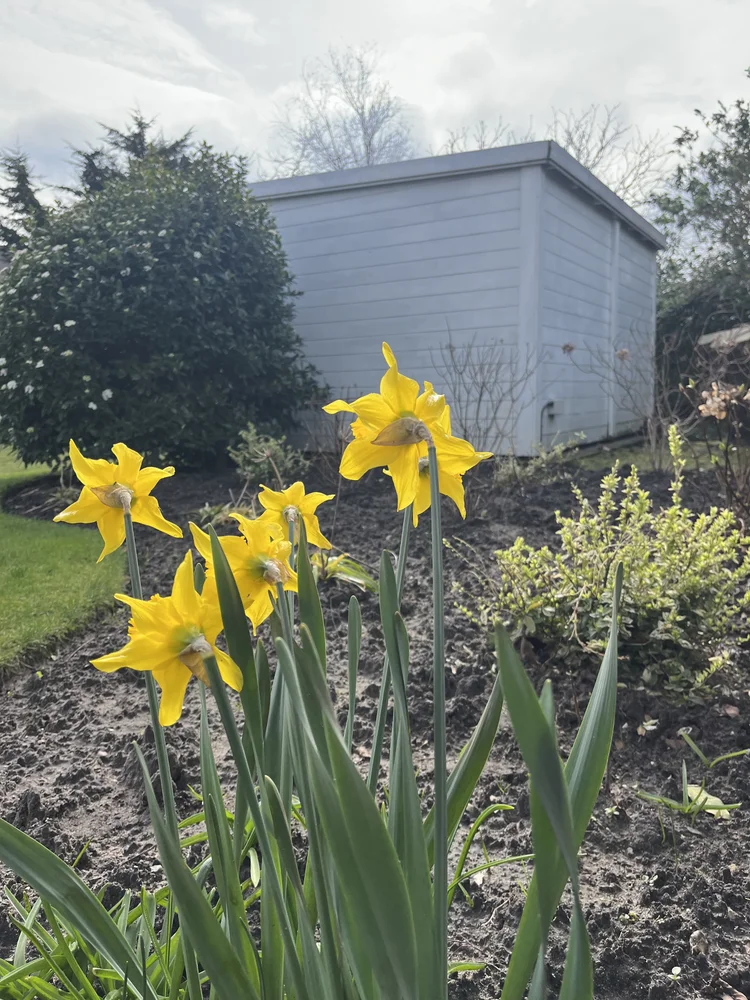
Spring is (hopefully) about to be sprung on us. 

This photo, taken last week of the side of my counselling room, provides me with a hopeful sign that warmer, brighter weather is coming, which so many clients speak about. 

Whether experiencing Seasonal Affective Disorder (SAD) or not, many, many clients speak to me about the negative effective the dark nights, lack of sunshine and autumn/winer weather has on them. The changing of the seasons into the hopeful, lighter spring and summer will often be reflected in the mood of clients when they arrive in my room. 


Recent reflections

Eating disorders: raising awareness is necessary but not sufficient

The last few weeks have been marked by a number of awareness days, initiatives and news stories, aimed at raising important issues and seeking to get the attention of the public and policy and decision-makers around mental health and other social and economic causes. 

These days included a week of activities for Eating Disorder Awareness Week, in which the theme, ‘anyone can be affected by an eating disorder’, was designed to shine a light on the prevalence and impact of these experiences - which have the highest mortality rate of any mental health condition.

I have worked with clients who have experienced, or continue to experience, eating disorder(s) from the first hour of my training placement and throughout the last four years, and continue to struck by - and more than a little disheartened by - the lack of knowledge and understanding of eating disorders from those who should know better. 

I include here many GPs and other health professionals, who someone with an eating disorder may encounter as a first point of NHS call when they reach the moment, often after many months, sometimes years, of agony - in their need for help. So often, that need for help is not met. 

They are too-often dismissed, sometimes (inextricably) because they are judged to “not be underweight”, or to have their concerns invalidated as “typical teenage” worries about body image, with the blame aimed in the direction of social media and Love Island. This is beyond negligent.

This negligence is not an isolated experience, but something I hear about all the time.

I also hear - consistently - about the “treatment” offered to clients with eating disorders which focuses virtually entirely on food, weight and behaviours, and not on feelings, root causes and the pain(s) and trauma(s) that the eating disorder is trying to soothe. I have written extensively about this and have worked with many clients who land at my door having already been through an NHS or private sector eating disorder services - sometimes discharged as being “recovered” - after lying to the experienced practitioners to end the torture of the “support” they are being offered. Often when these clients arrive in my counselling room, they are closer to death than recovery, and they have lost faith in there being any support that could help them. This not just beyond negligent, it is beyond belief.

These reflections are not intended to be a rant against the current model of eating disorder treatment, which is failing so many people across the UK and Ireland. It is instead an attempt to plead with anyone who has contact with a person - whether in a professional role as a teacher, healthcare worker or social worker - or as a colleague, family member, friend or neighbour - who may have a problematic relationship with food, or exercise, or their body, or their appearance, or all of the above - to educate yourself. Not to be an expert but to be an empathetic sign-spotter and sign-poster. 

We need to move from raising awareness to raising understanding and knowing how to raise people up from their despair to get help - real, meaningful, non-judgmental, compassionate help - which gives them not just a chance to recover but to live a full and happy life. 

This means being curious - asking are you ok and the waiting and listening for a clear answer - and not being so desperate to reassure when we hear or see things tells us that someone is not ok - that we fall back on “you look great; you’re not fat; I wish I was your size etc etc”.

Eating disorders are complicated - very complicated - but they are not something to shy away from. They can be learnt about and we can find help for those who are struggling. 

If we accept that anyone can be affected by an eating disorder, we can accept that anyone can learn a little about it - not just to be aware of what it is and how serious it is, but how to spot some signs and sign post to help.

Is that too much to ask, especially when so many lives are at stake.

If you would like to find out more, please look at the resources I have included below.


Articles and other resources

If you follow me on social media (links below), you will see that I often share articles from the media that resonate with me and hopefully provide an opportunity for insights and reflection. 

If you would like to follow me on any of these platforms you will see my posts and the material I share.

My social media accounts

www.linkedin.com/in/benjaminjohnjones

https://www.instagram.com/benjaminjohnjones

https://bsky.app/profile/benjaminjohnjones.bsky.social

https://www.threads.net/@benjaminjohnjones

Eating disorder resources 

As I reflected earlier in this edition of the newsletter, Eating Disorder Awareness Week was held recently. This year’s theme was that ‘anyone can be affected by an eating disorder’.

Beat - the leading eating disorder charity - https://www.beateatingdisorders.org.uk/ - say that “at least 1.25 million people in the UK are living with an eating disorder. That’s more than 1 in 50 people – but the real number could be even higher.” 

This is a huge issue. In my practice I see so many clients who have experience of eating disorder(s) and hear how often they are failed by the services available, where the focus is on food and not feelings/root causes.

Beat have a wide range of helpful resources on their website - some links below - which can help those who may be experiencing an eating disorder(s) or for those close to someone who may be struggling. 

https://www.beateatingdisorders.org.uk/get-information-and-support/about-eating-disorders/signs-and-symptoms-of-an-eating-disorder/

https://www.beateatingdisorders.org.uk/get-information-and-support/about-eating-disorders/downloads-resources/

https://beat.contentfiles.net/media/documents/Eating_disorders_can_be_hard_to_spot_poster_-_Sep_2024.pdf

When studying for my counselling and psychotherapy masters at Liverpool John Moores University, I wrote my dissertation on eating disorders and therapy. You can read it by following the link below.

I wrote it to meet the academic requirements of my course but also in an attempt to produce something that was accessible to all: clients, therapists, family members and loved-ones, anyone experiencing an eating disorder (s) and anyone with an interest in eating disorders and therapy. As I wrote in the acknowledgements, I am beyond grateful to the women who made this research possible, sharing their stories with me, often recalling deeply difficult and distressing experiences. It is with them, their courage and their experiences in mind that I hope this research can help improve the provision of counselling for those experiencing eating disorders. Lives are at stake. 

https://www.amjcounselling.com/amj-blog/eating-disorder-dissertation-published

Podcast recommendation 


‘The Story: Soham, 20 years on. The Detective who solved the case” - from The Times, 4 August 2022. 

This is an old episode of The Times’ daily podcast which looks back - with the help of their excellent crime reporter, Sean O’Neill - on the heartbreaking case of the Soham murders of Holly Wells and Jessica Chapman, which became a national obsession in the summer of 2002. 

The link to therapy/counselling may seem tenuous, but there is a telling contribution that it makes to help the lead detective (appointed after the initial investigation was floundering), Chris Stevenson , deal with the extreme pressure he was under to solve case - which he did. 

Soham, 20 years on: The detective who solved the case

Book recommendation 

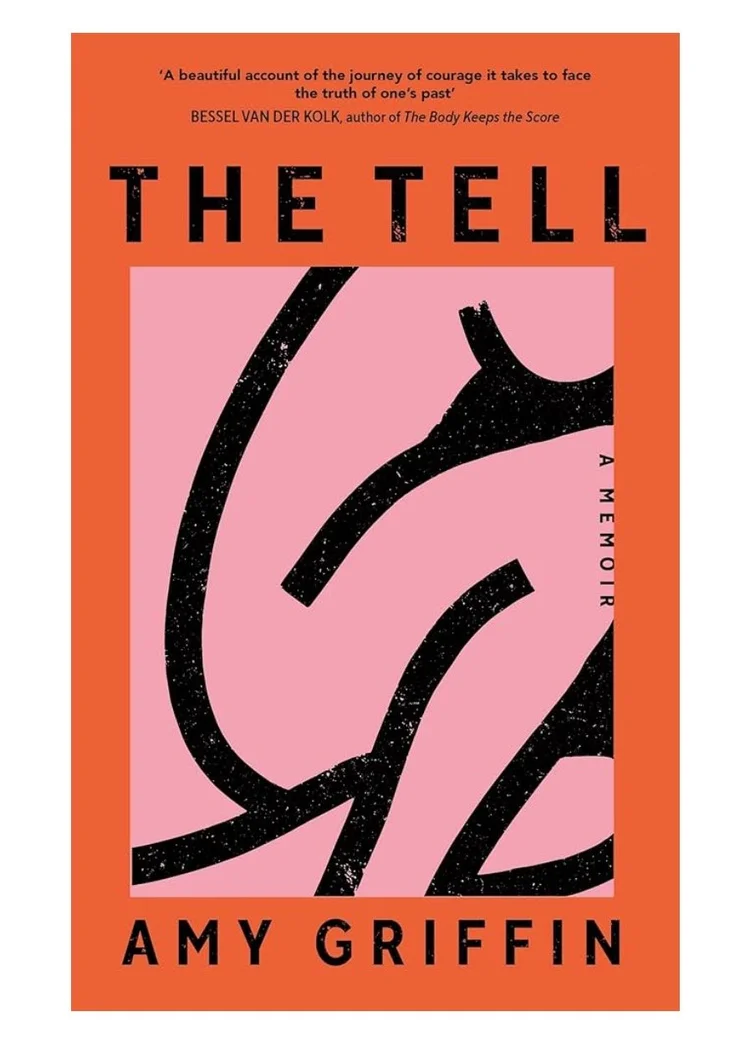
‘The Tell’ - by Amy Griffin

This new book - published on 13 March 2025 - was reviewed in The Times recently and explores the themes of control, trauma and sexual abuse. It is described by the reviewer, Cecil Browning as a “heartrending memoir” in which Griffin wondered why it was that she had such “an insidious need for control”. 

This theme of control and trying to understand why it drives us comes up so often in sessions with clients - and just as often we can trace it back to childhood and early life experiences. Any Griffin does that in gut-wrenching detail and pushes herself to reveal the secret(s) that is trapping her in a loop of anxiety. 

https://shorturl.at/x9vZx


Featured blog post


Sat, Mar 09

Eating disorders: listening, not lecturing, is the key to recovery. We must stop the failing copy and paste approach and instead have hope. 

The maxim “insanity is doing the same thing over and over again and expecting different results”, is often (probably wrongly) attributed to Albert Einstein. It has never been more apt in how it relate

 Read More 

Booking a session or getting in touch to find out more about me and my work

I offer sessions face-to-face, online or by phone. Sessions run for around 50 minutes and cost £50. I offer discounted rates of £35 per session for students. From 1 May 2025, I will be increasing my fees by £5 per session. From that date, student sessions will be £40 and other sessions will be £55. 

I offer a free initial consultation session to talk through my approach, answer any questions and help clients to consider if they think we can work well together before we get started.

To get in touch, please call, message or email me:

07779 796 815

benjones@amjcounselling.com

 
AMJ Counselling

AMJ Counselling, Southport, Merseyside, UK

Powered by Squarespace

Unsubscribe